Another direction of scientific cooperation - India
After China, it was time for another Asian direction - India, the NGRI (National Geophysical Research Institute) in Hyderabad, in the state of Telangana in southern India.
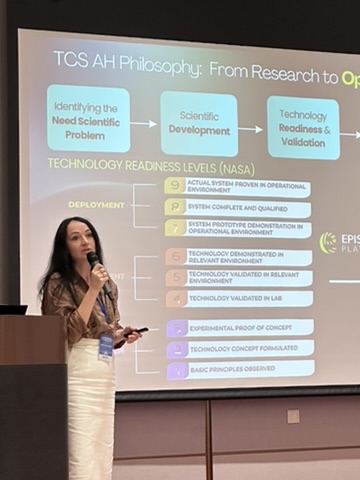
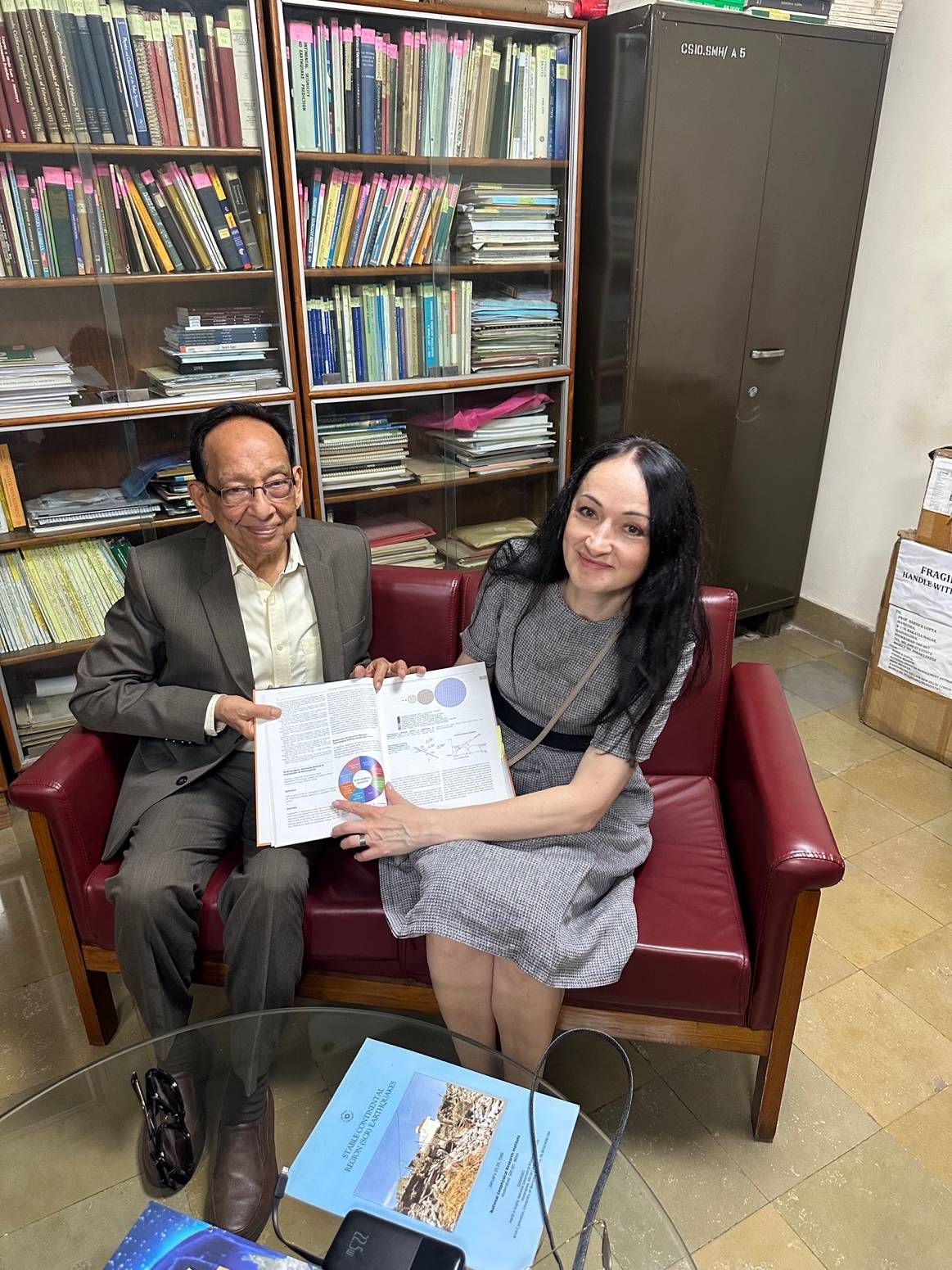
At the invitation of the NGRI authorities and Professor Harsh Gupta, IG PAS was represented in India by Professor Beata Orlecka-Sikora, Head of the Seismology Department, and Ms Anna Leśnodorska, Director of the TCS AH Consortium.
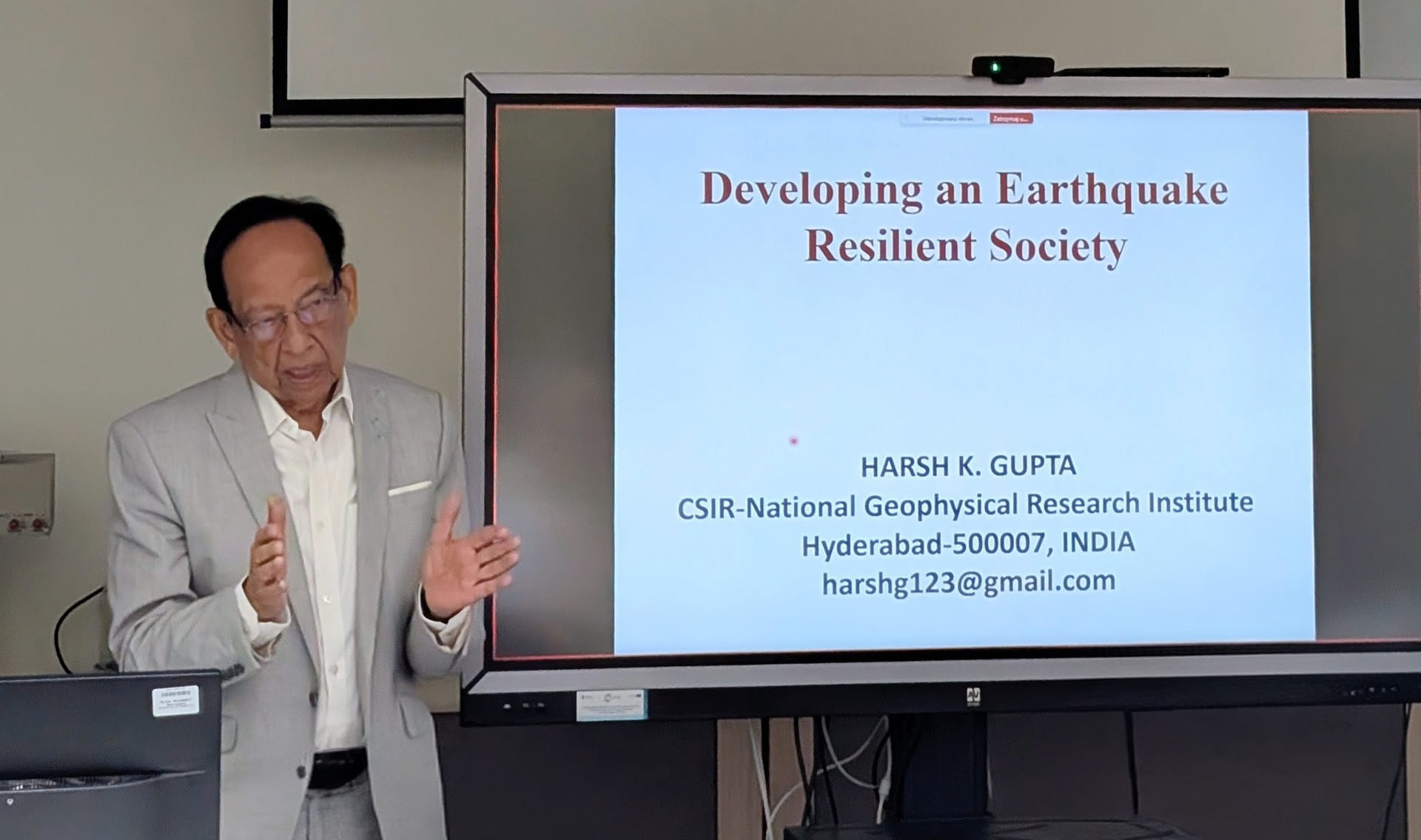
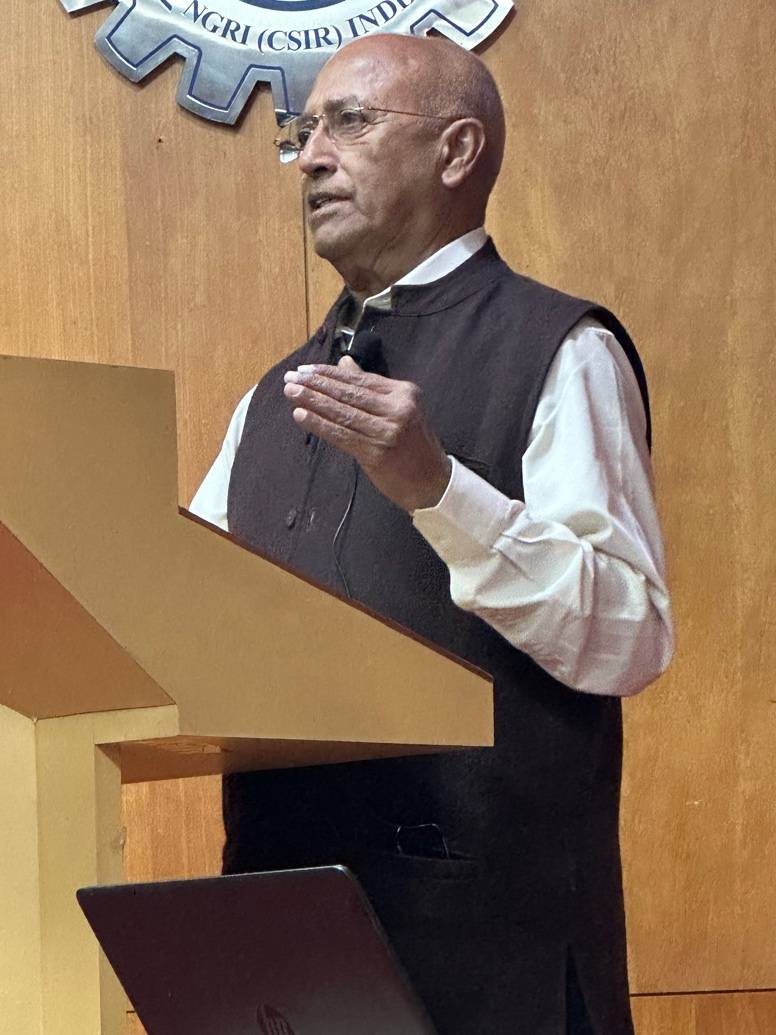
The IG PAS representatives took part in a three-day session organized on the occasion of the 84th anniversary of the establishment of the Indian CSIR (Council of Scientific & Industrial Research), under whose auspices NGRI operates. Four key-note speakers were invited to participate honorarily in the lecture session and to deliver the following presentations:
- Professor Joseph Meert (University of Florida, USA), “A quarter century of Indian paleomagnetism: India’s role in Proterozoic supercontinents”
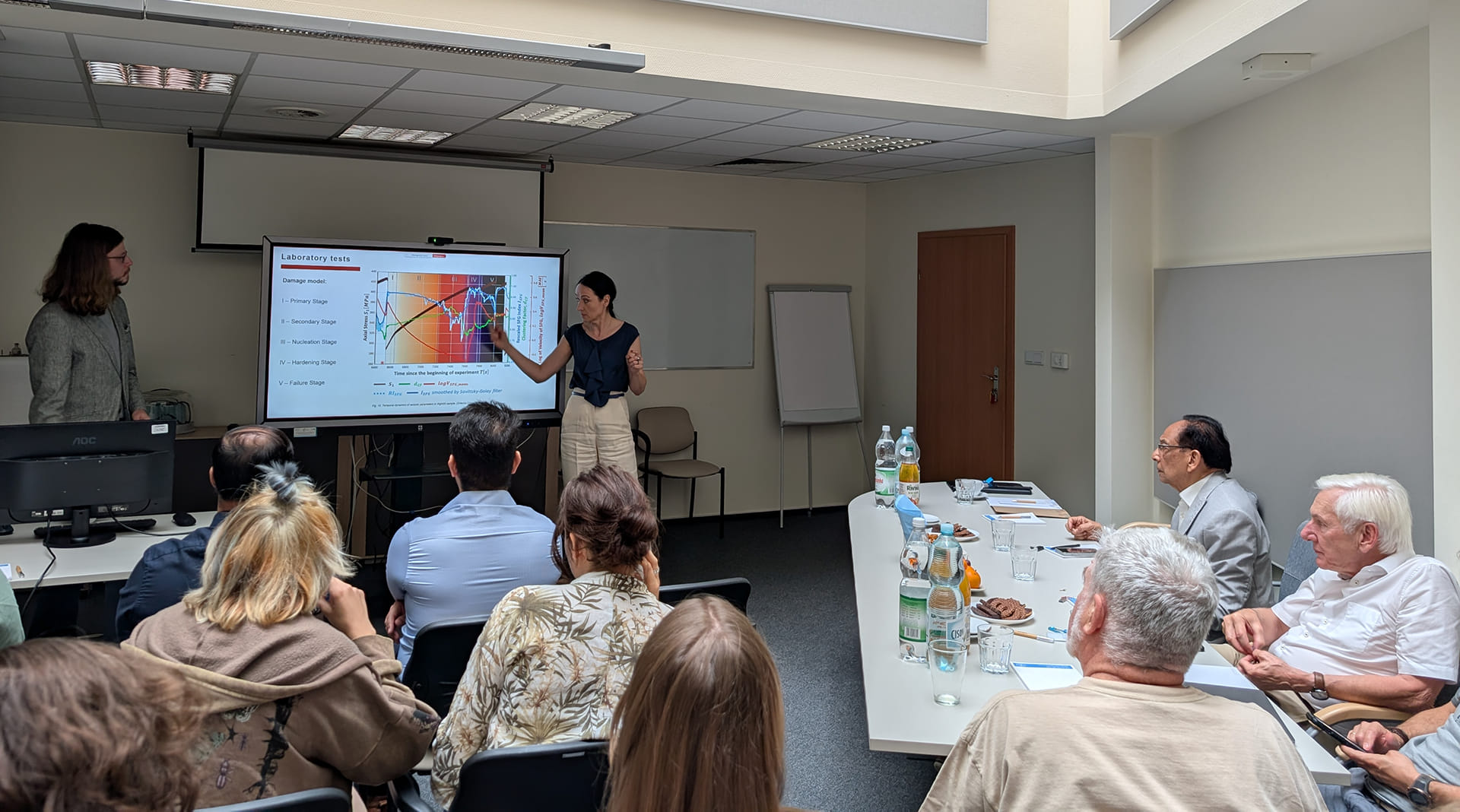
- Professor Beata Orlecka-Sikora, “A dual-metric framework for tracking strain localization before earthquakes across scales”
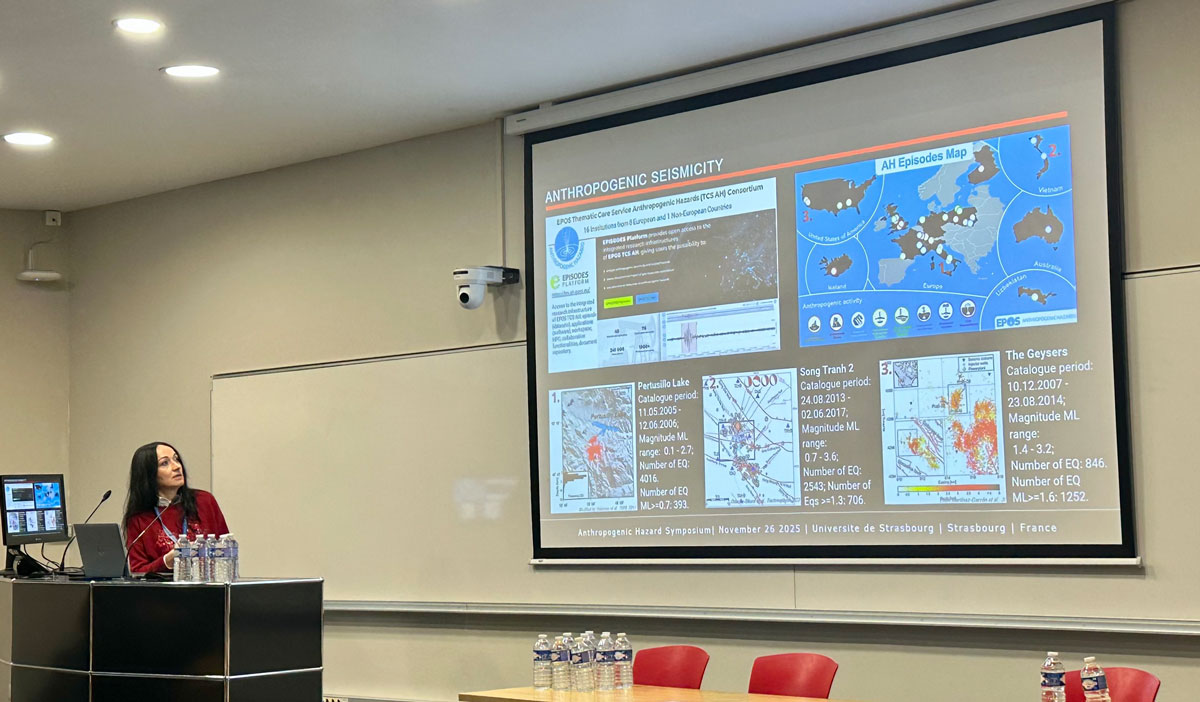
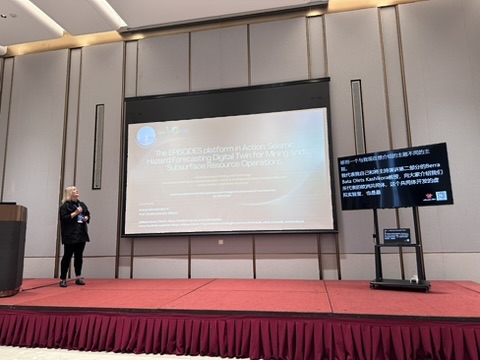
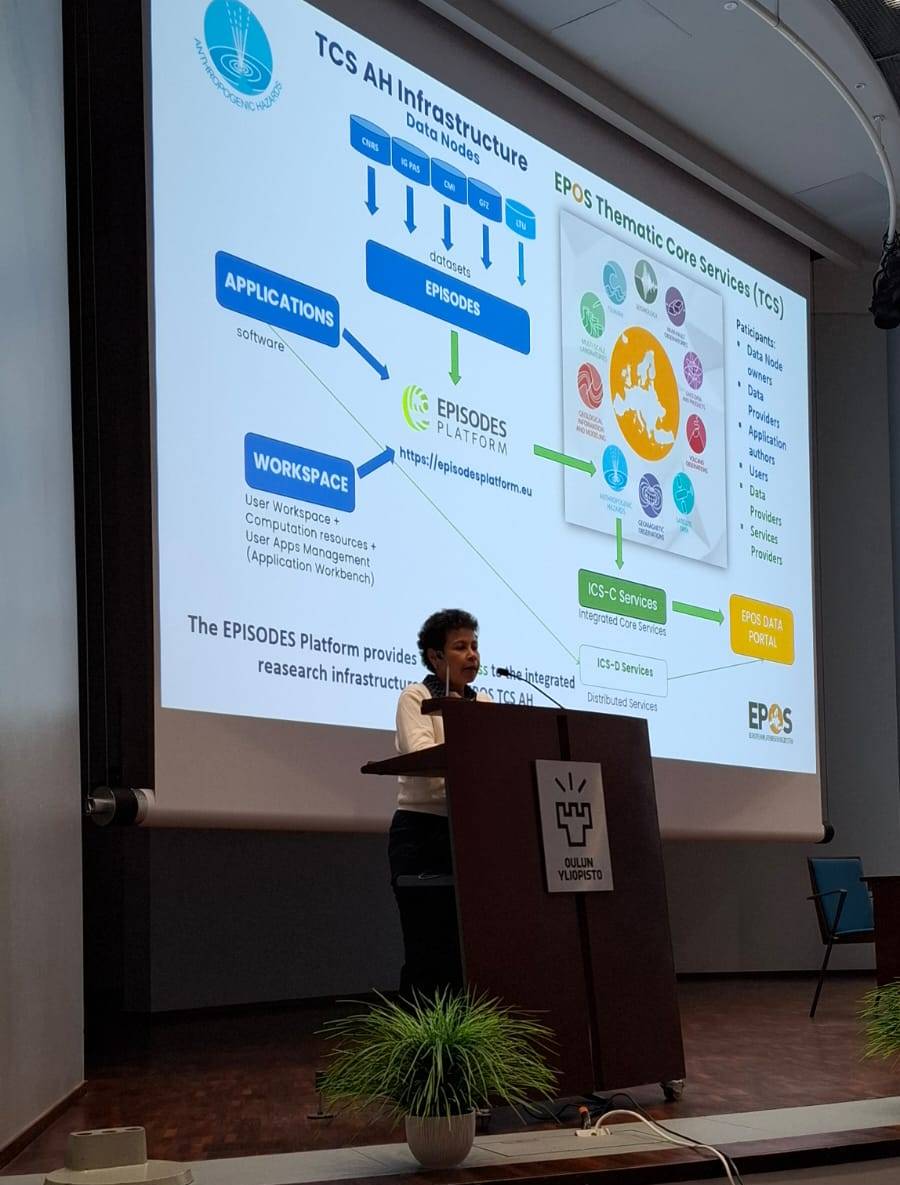
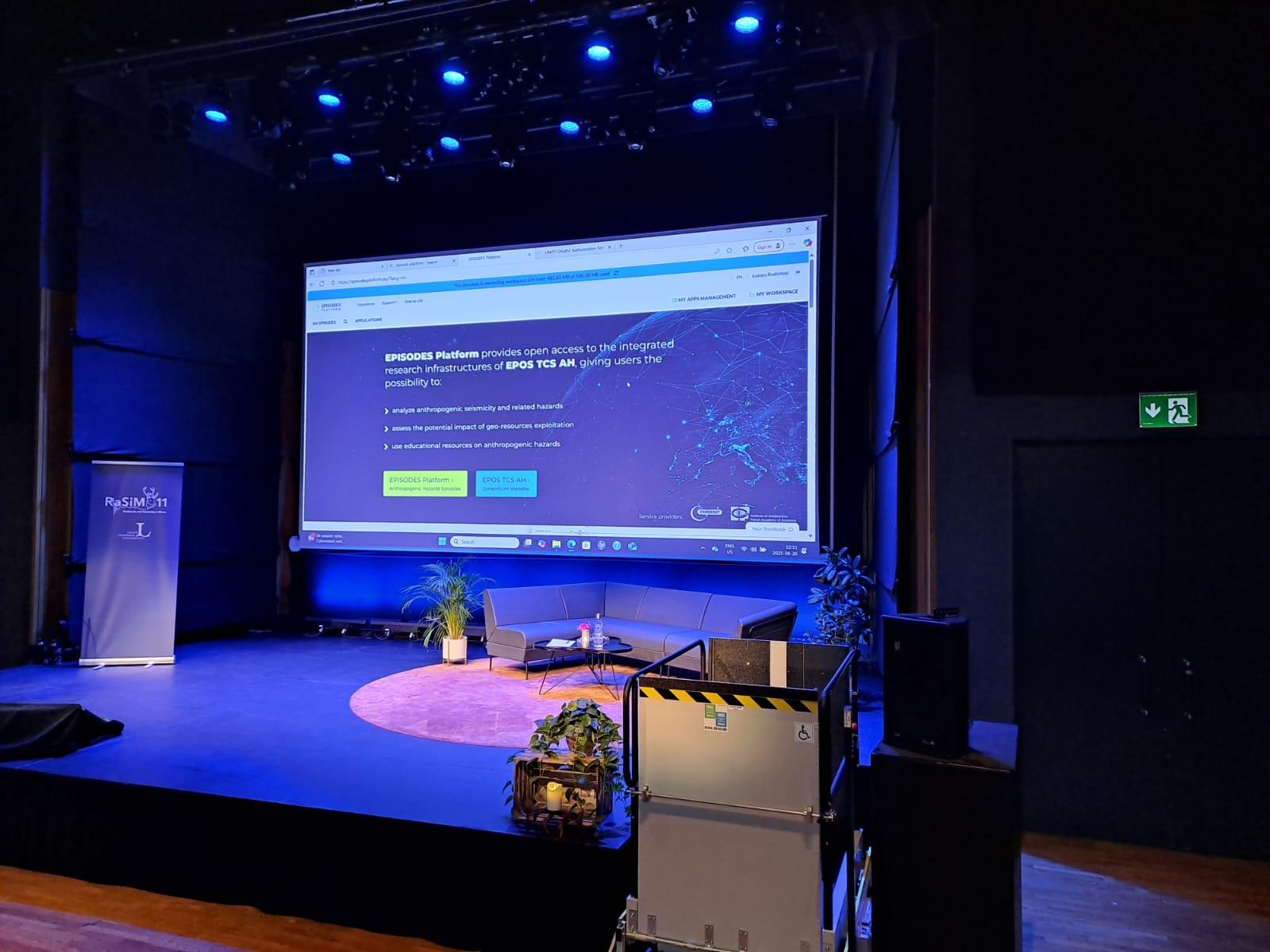
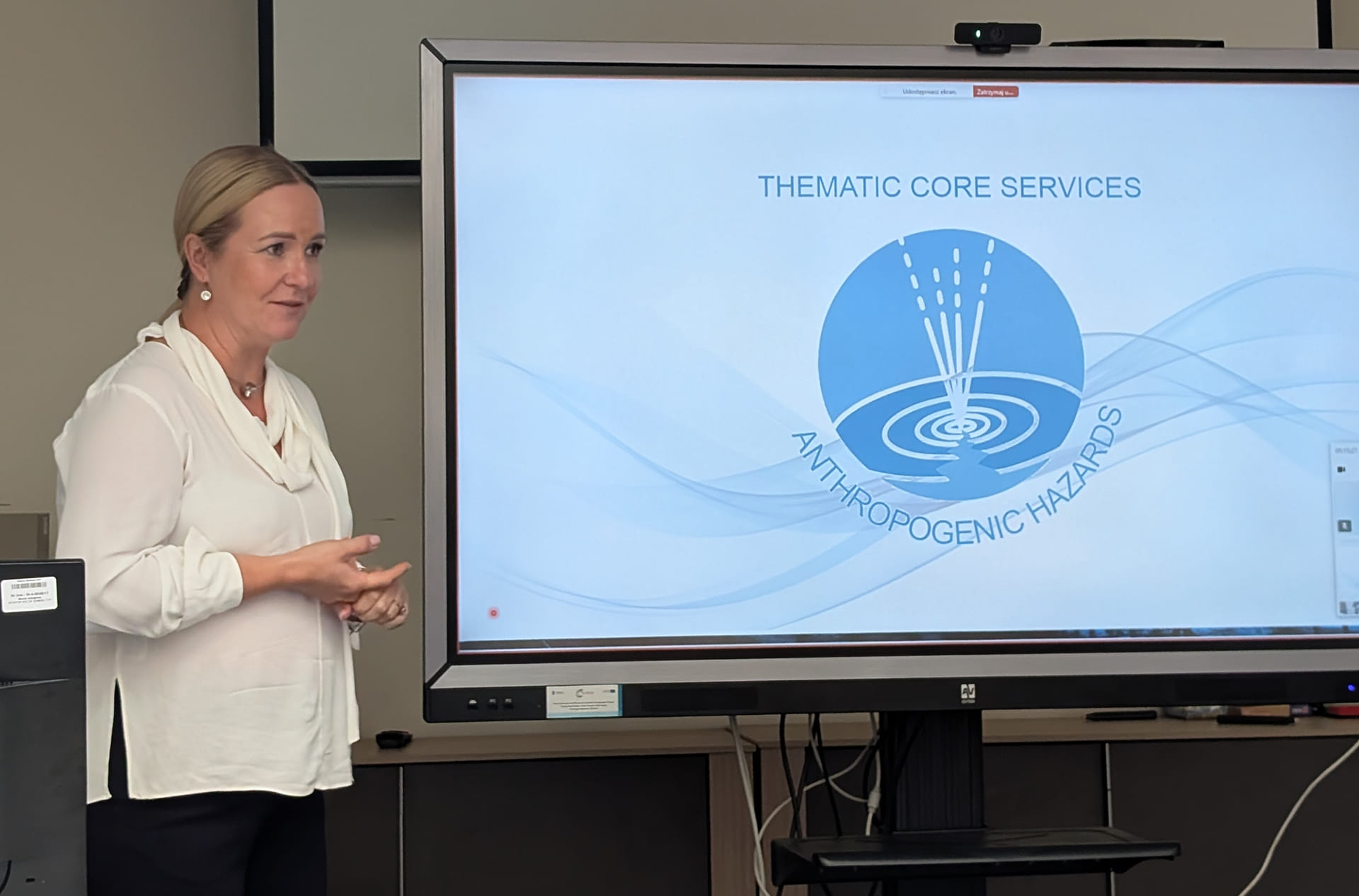
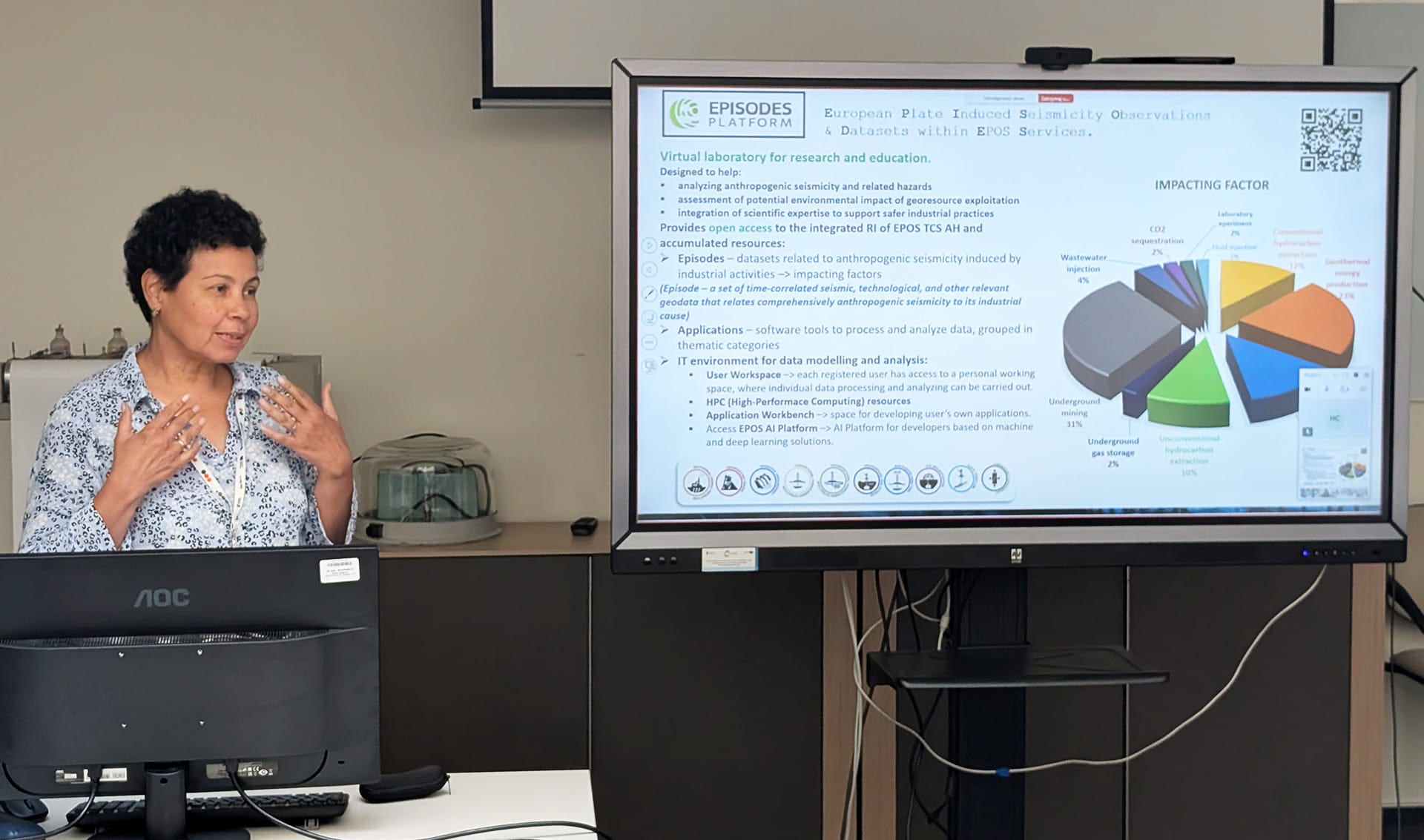
- Anna Leśnodorska, “EPISODES Platform – EPOS Anthropogenic Hazards Virtual Laboratory. A digital tool dedicated to the analysis, visualization, and processing of research by geophysics-oriented scientific communities”
- Wing Commander Rakesh Sharma – Indian cosmonaut and Indian Air Force pilot (the first Indian to travel to outer space in 1984), “Challenges Facing Human Civisation on Planet Earth”
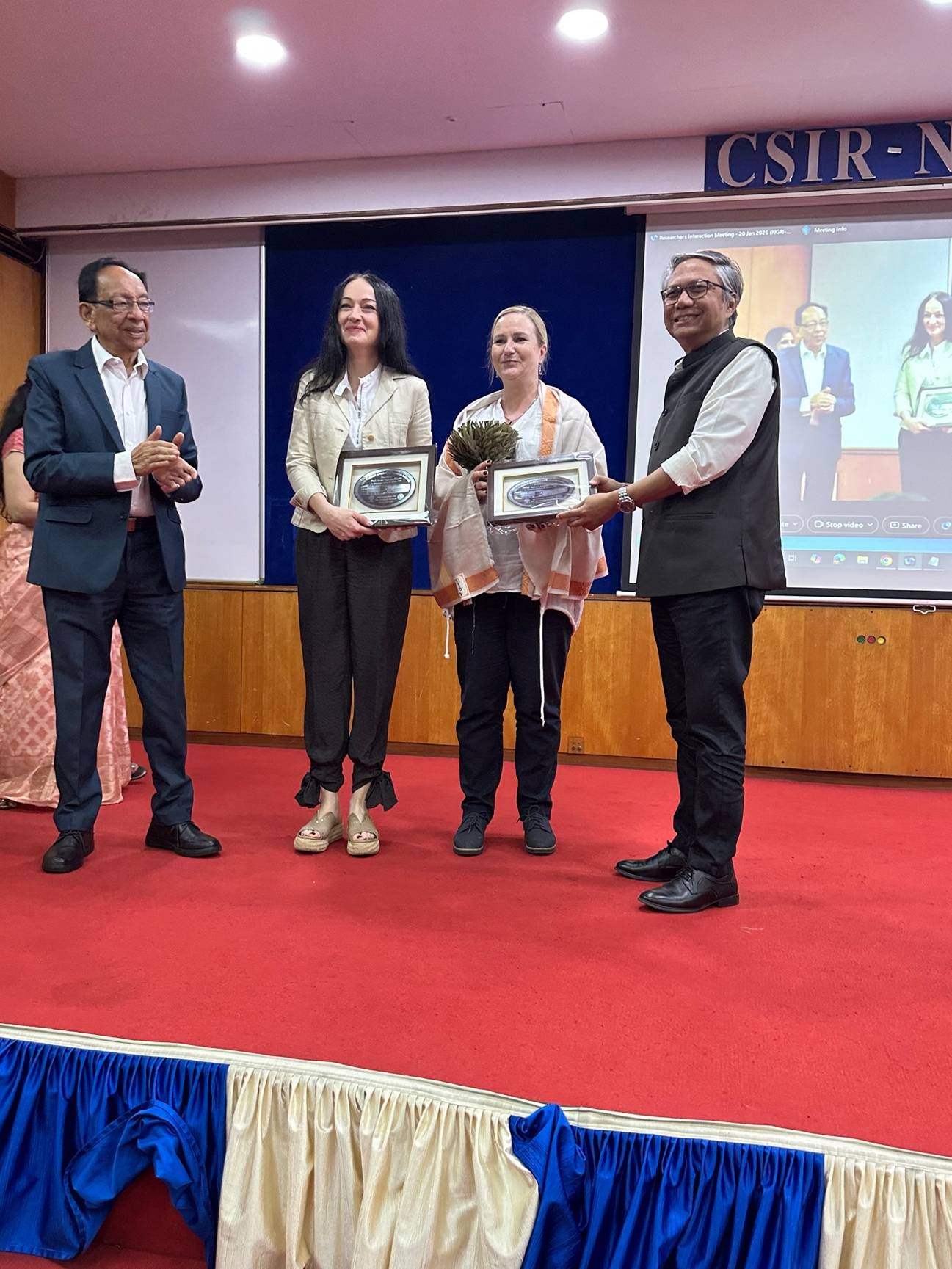
After the presentations, the most outstanding scientists and individuals involved in the development of NGRI were awarded for their work.
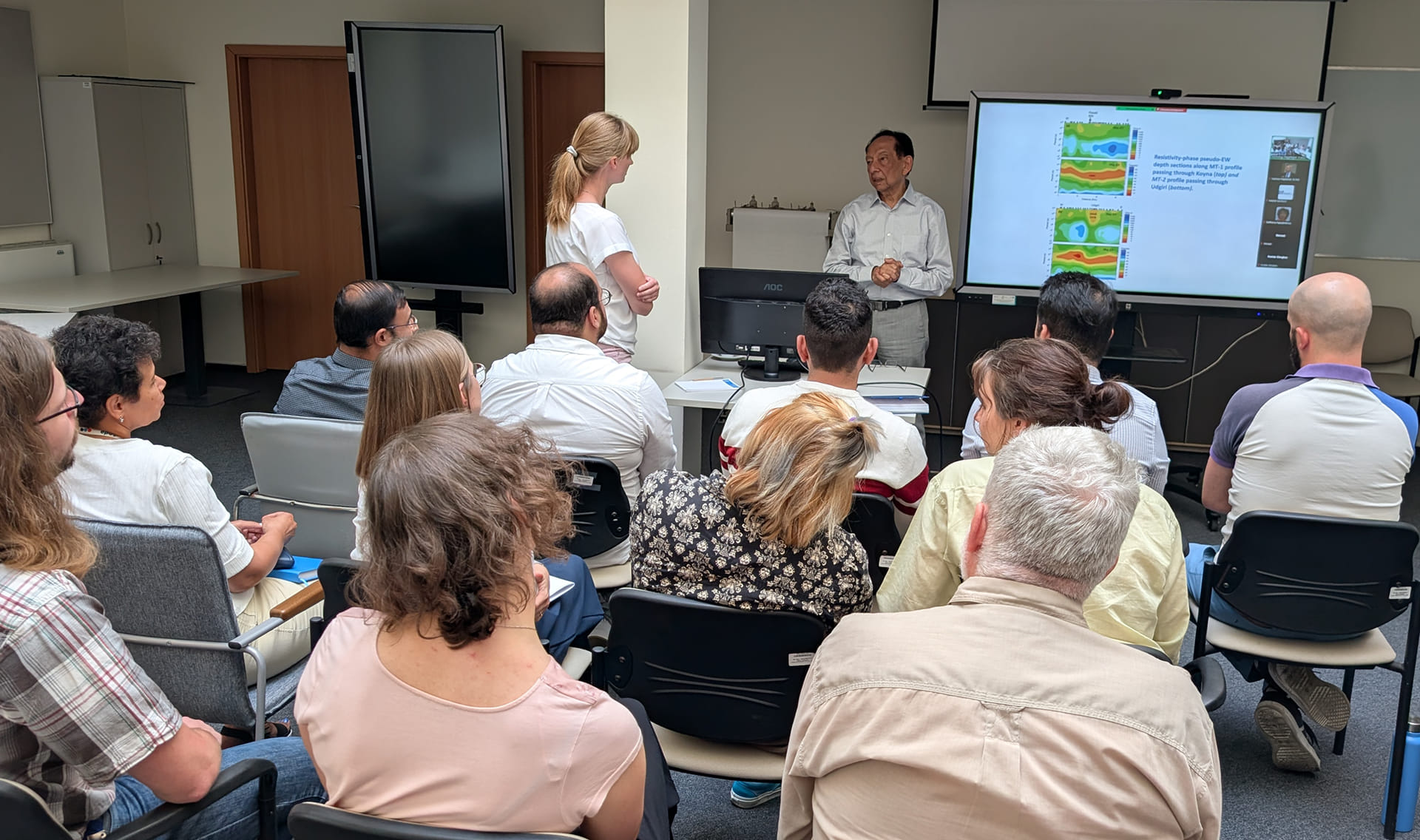
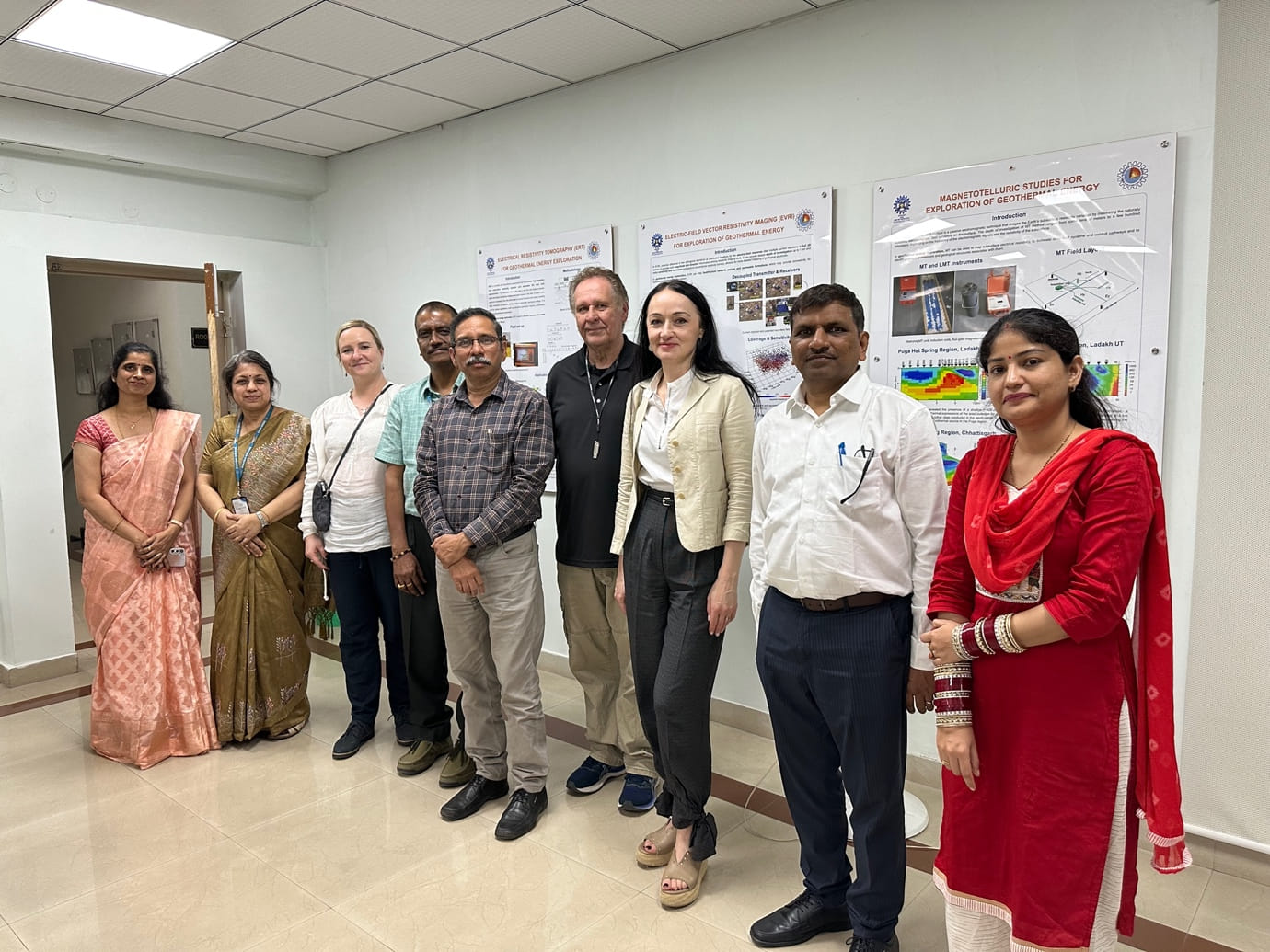
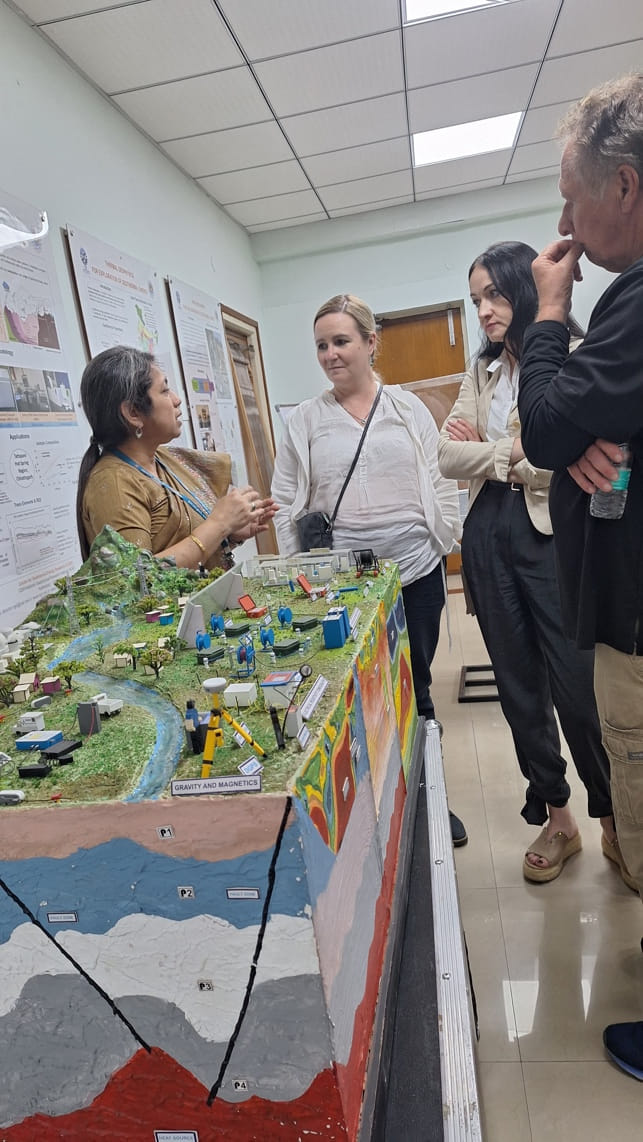
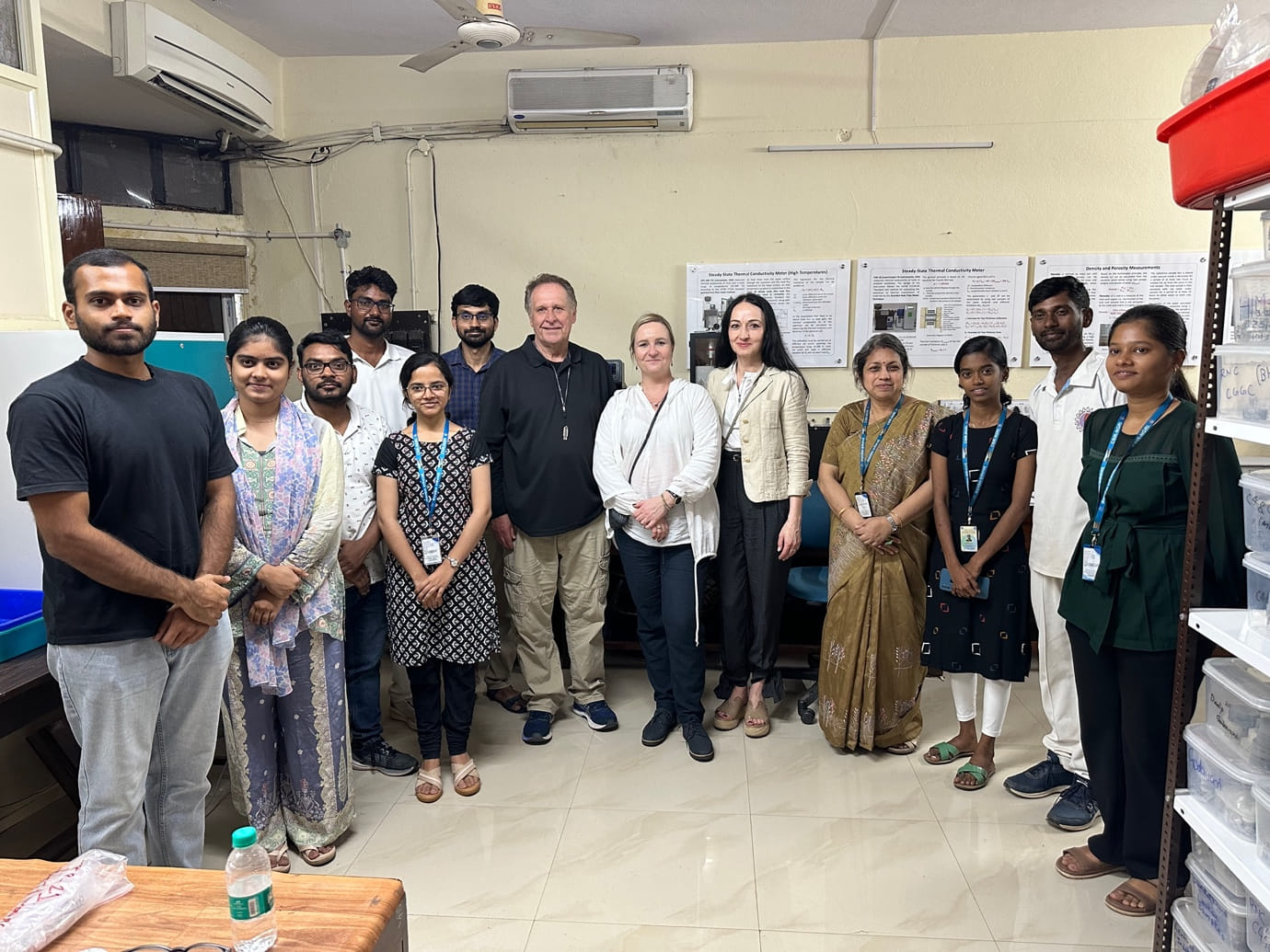
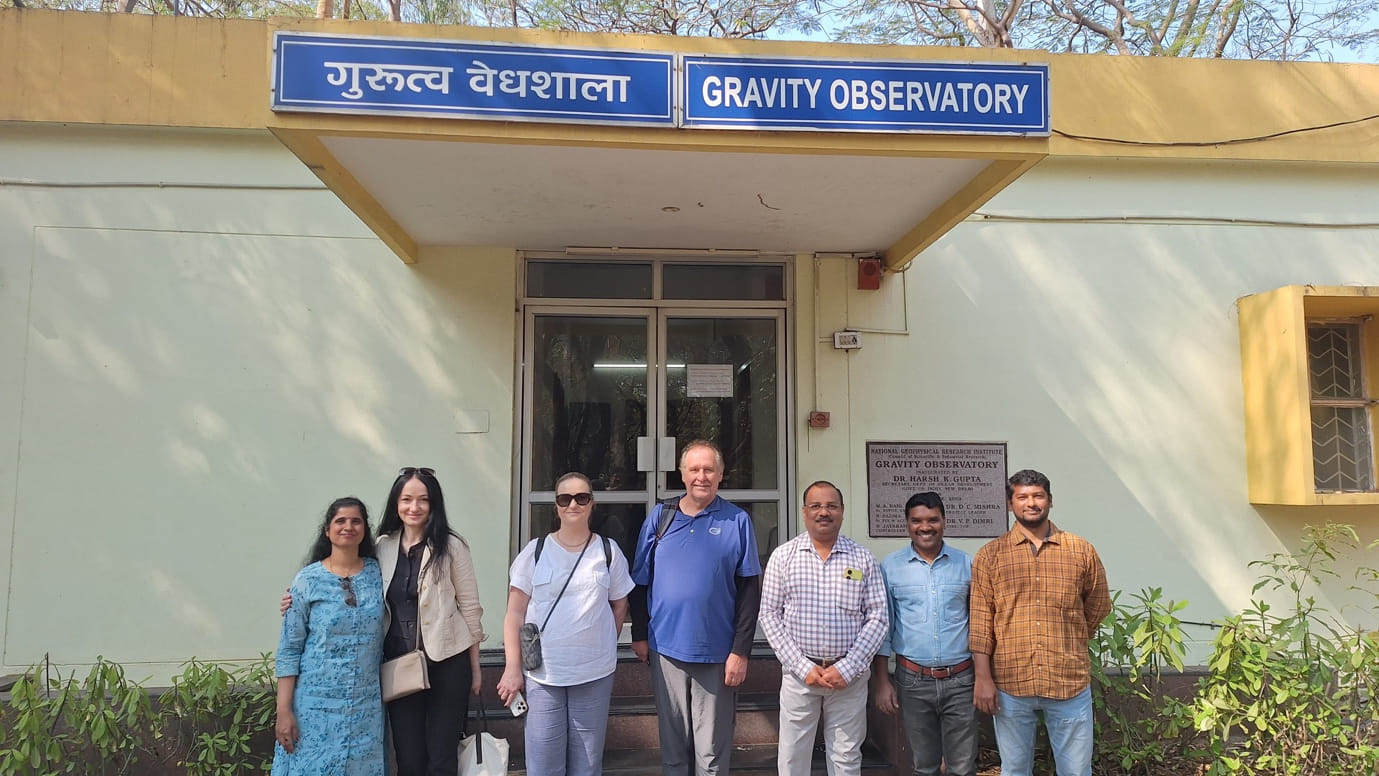
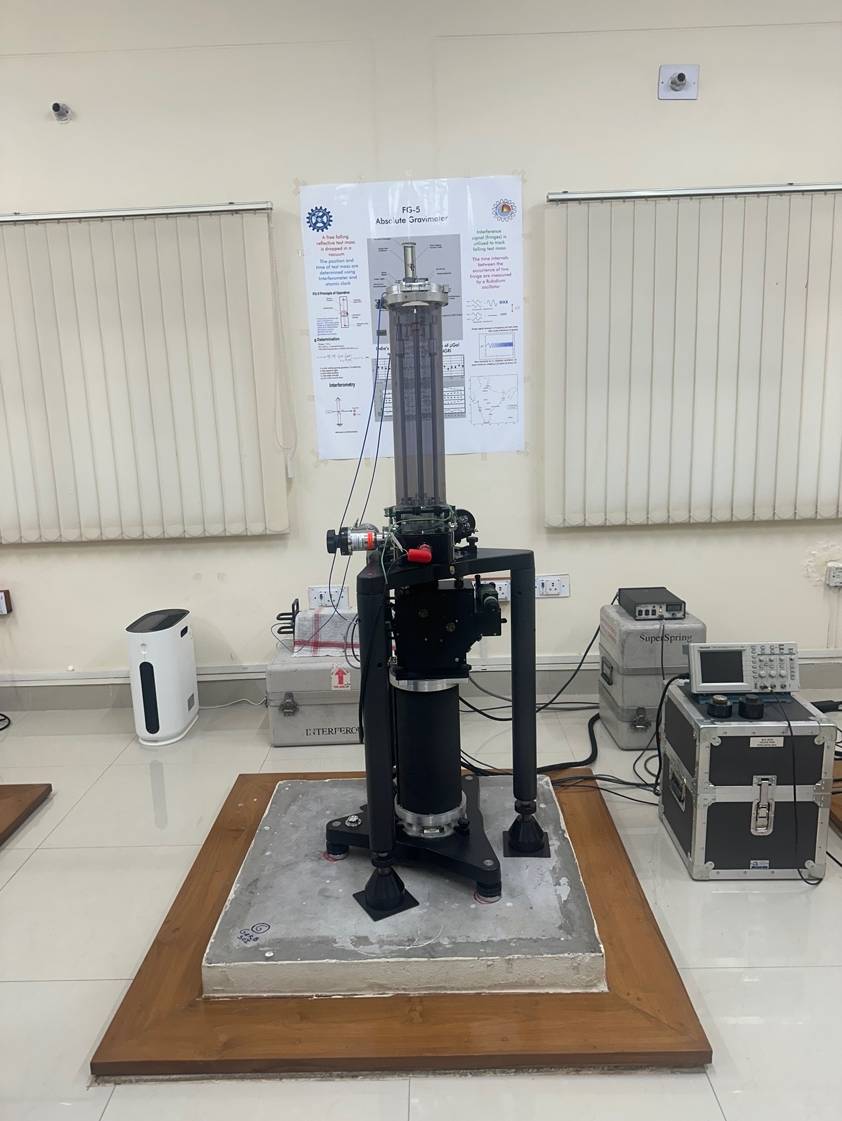
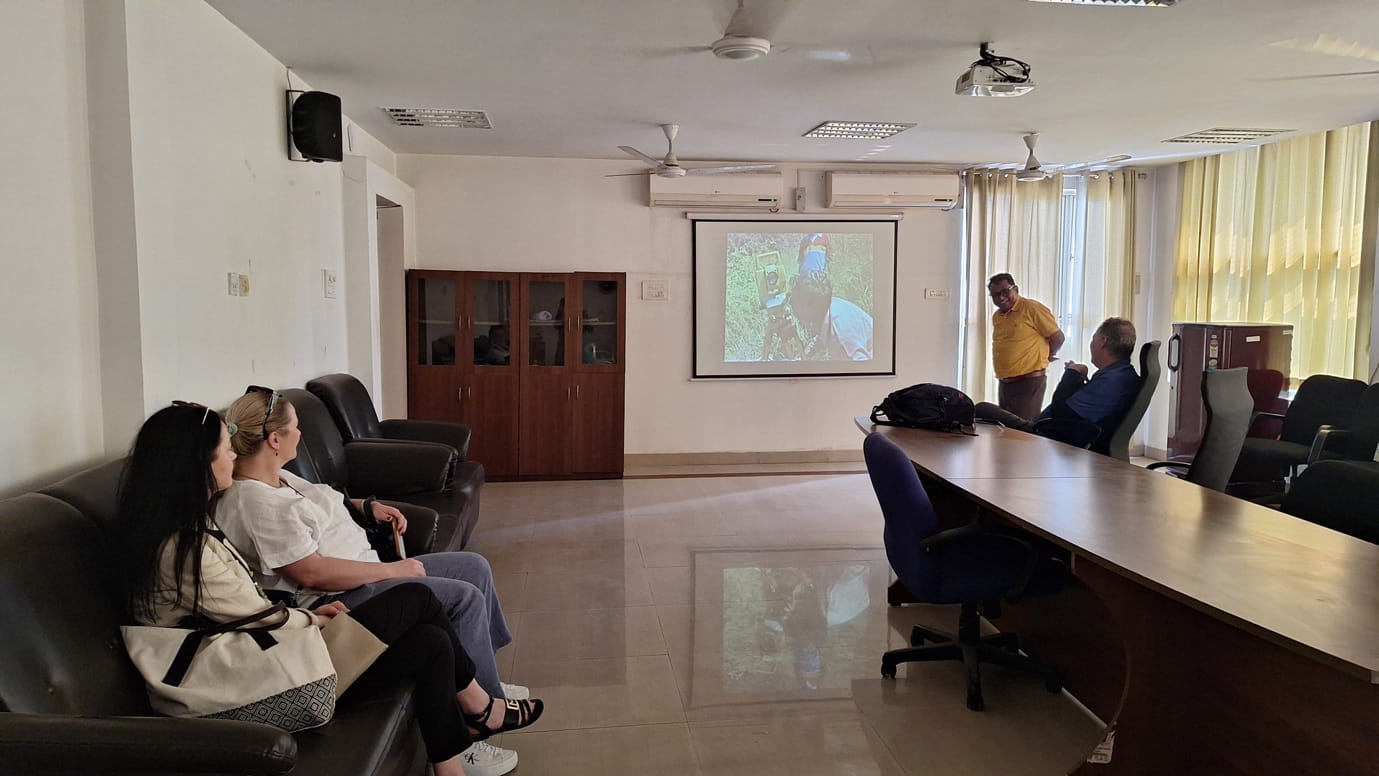
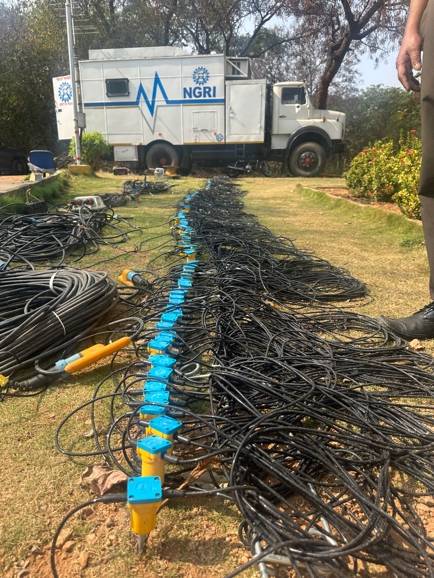
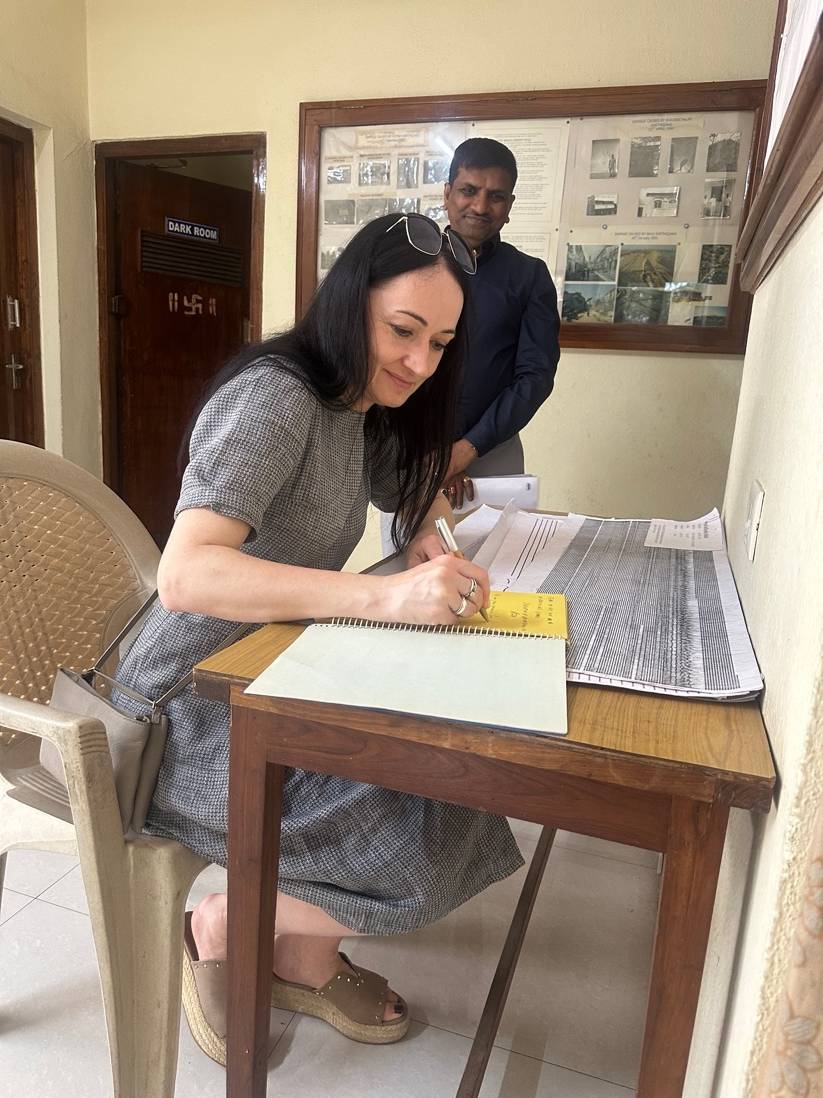
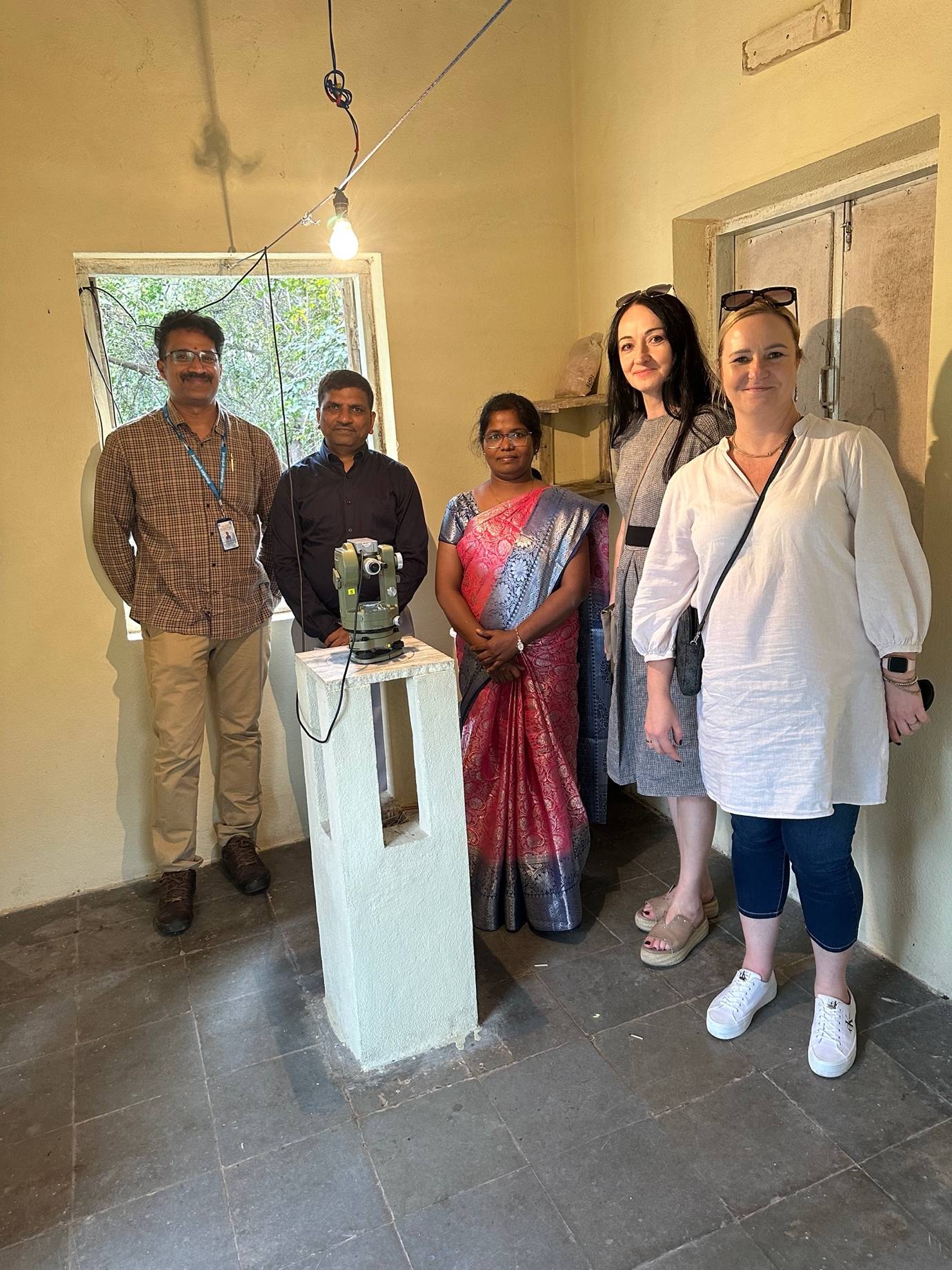
The visit to India provided a perspective for broad potential cooperation between scientists from IG PAS and NGRI. IG PAS representatives visited numerous laboratories and research units of the Institute, where ongoing scientific and monitoring activities were presented. In addition to meetings with research group leaders, meetings were also held with PhD students, who presented the results of their research to date.
The contacts established resulted, just a few days after the visit, in the participation of Indian scientists in the monthly webinar organized by the TCS AH Consortium. Members of the NGRI community also expressed interest in participating in the proposed workshops on anthropogenic seismicity and the use of the EPISODES Platform.